

“Ushnambu adha kayasya parisheka balavaha,thenaiva uthamangasya balahrt kesachakshusha”
(Ashtang Hriday Sutrasthan 3/17)
Pouring hot water below neck, while bathing renders strength to the body. While if poured over head, it is detrimental to the eyes and hair. For those accustomed to take hot water shower please keep this in mind.
UNDER TOO MUCH STRESS?HERE IS WHAT YOU CAN DO ABOUT IT!!! BEAT YOUR STRESS IN 25 STEPS!!!

Our professional life is full of hassles, deadlines, frustrations, and demands. For many people, stress is so commonplace that it has become a way of life. Stress can affect how you feel, think, behave and how your body works. Stress is not an illness, but it can cause serious illness if it is not addressed. It has infused within our daily routines, a mad rush which in turn induces reactions such as anxiety attacks, panic attacks and other stress-related symptoms.
Our body intended this mechanism as an emergency measure. The problem today is that we experience stress so often that our body's neuro-transmission mechanism is having to kick in many times a day. In other words, our adrenal glands are fatigued and overworked. Result: millions of us are suffering from digestion problems, irritability, weight gain or weight loss, lowered immune function, and only plain exhaustion.
Stress, in ayurvedic terms, is intimately related to the imbalance of our three vital energies, or doshas — Vata, Pitta, and Kapha. To a very great extent, our daily habits determine how harmoniously these doshas function. Ayurveda shines in its capacity to distill a host of complex maladies into an elegantly simple collection of qualitative patterns, which help to illuminate a clear path towards healing for each individual. The Ayurvedic approach to managing stress is a beautiful example of this.

Here are some ayurvedic stressbusters and tips:
1) Abyanga: This involves using massage oils for stress relief that help calm the nervous system, rejuvenate tissues, and help attain deep consciousness.
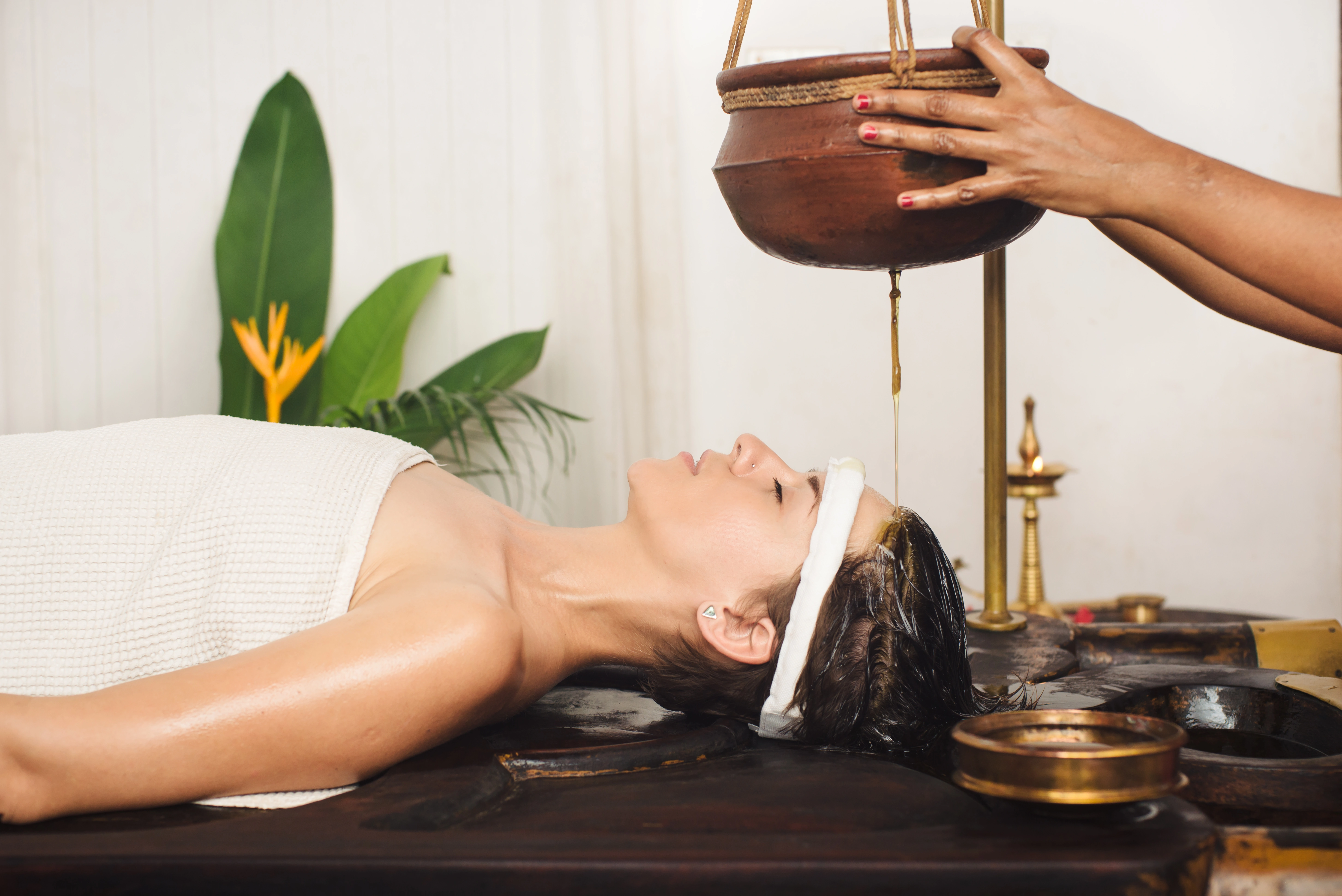
Pizhichil: It involves head massage and deep tissue oil pouring massage to strengthen hormonal secretions.
Sirodhara: A head massage followed by the continuous pouring of warm herbal oil/milk/buttermilk on the forehead to cool the nervous system.
Sirovasthi: Warm herbal oils are put on the head and kept for 45 minutes to cool the cerebral and nervous systems.
Talam: Special powder mixed with medicated herbal oil is applied on the head.
2) Fix 30 minutes every morning for Yoga. Bringing your mind to a state of composed calmness in the morning will fortify it for stress assaults, all day long. Pick a calm spot in your home, like your balcony, or near an open window, and practice Aasanas like Shoulder stand (sarvangasana), plow pose (halasana), half spinal twist (ardha matsyendrasana), locust pose (shalabhasana), and lion pose (simhasana).
3) Avoid caffeine, alcohol, sugar, chocolate, and nicotine as they can be over stimulating. Have fruits as your snack instead.

Some other vata pacifying ingredients like cinnamon, cumin, ginger, nutmeg, rock salt, sesame seeds, anise, asafoetida and natural sugar may be included in your diet.
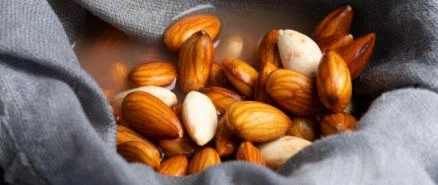
4) Soak 10 almonds in water overnight. In the morning, peel off the skin and blend them with a cup of warm milk, a pinch of ginger, pinch of nutmeg and saffron. Enjoy the milk sip by sip.
5) Certain lifestyle factors which aggravate vata dosha for example, late hours, erratic schedules, cold environment, too much work and an unhealthy diet must be avoided.
6) Music therapy can be practiced as a means of providing mental harmony.

7) Sleep - One of the major factors that cause stress is lack of sleep. In our fast-paced life, trying to meet work, family, and social obligations, we sometimes miss out on our sleep which increases our chances of being stressed.
8) They are the 3 ways that you can theoretically manage the effects of stress inside the body: avoid, adapt, and accept. Avoid negative people, adapt and accept to those which you can’t do anything about it.

9) Crying is an excellent stress reliever, especially if you have bottled up sadness and grief. Let your unresolved emotions roll down your cheeks and out of your life. Laughter is good medicine, too. Even if you are angry or depressed, just say.
10) Stress is often the result of fears that are based in your imagination. Observe this tendency and replace negative thoughts with positive thoughts. Just changing your attitude can alleviate a lot of stress.
11) Eat meals that are high in fresh, natural ingredients. It is amazing what a big difference your choice of food can make in helping you cope with stress.

12) Make a checklist: Each time you complete a small task, check it off your list. There is something very comforting about checking a “DONE” box! Break larger projects into smaller ones so they are not so overwhelming. Each time you do this, you will free up your mind so it can relax for a while.
13) Communicate: A great deal of stress piles up when we refuse to talk about it — even to ourselves. Each time we suppress stress, it piles up like a toxin inside our minds, and slowly seeps into our psyche. The deeper it filters into our consciousness, the more difficult it seems to get rid of it.
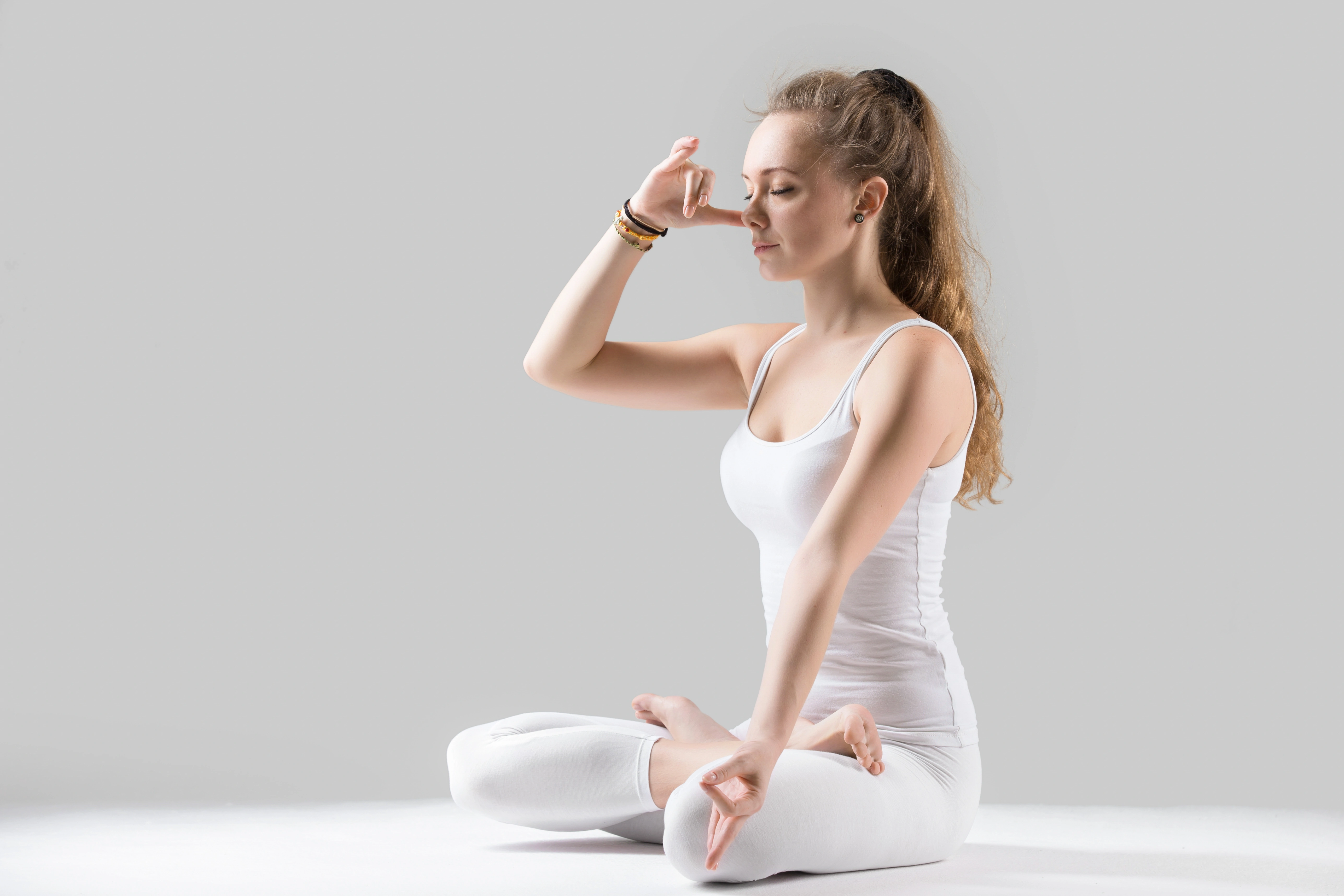
14) Pranayama: One of the best ways to bathe our tissues in fresh prana is to practice pranayama (yogic breathing exercises). The practice of Nadi Shodhana is especially effective at clearing accumulated tension, and relieving stress.
15) Commit to a Daily Routine: Ayurveda recommends a daily routine for everyone, but it is particularly essential when we are trying to balance excess stress. Our physiology is very much adapted to—and supported by—some sense of regularity.
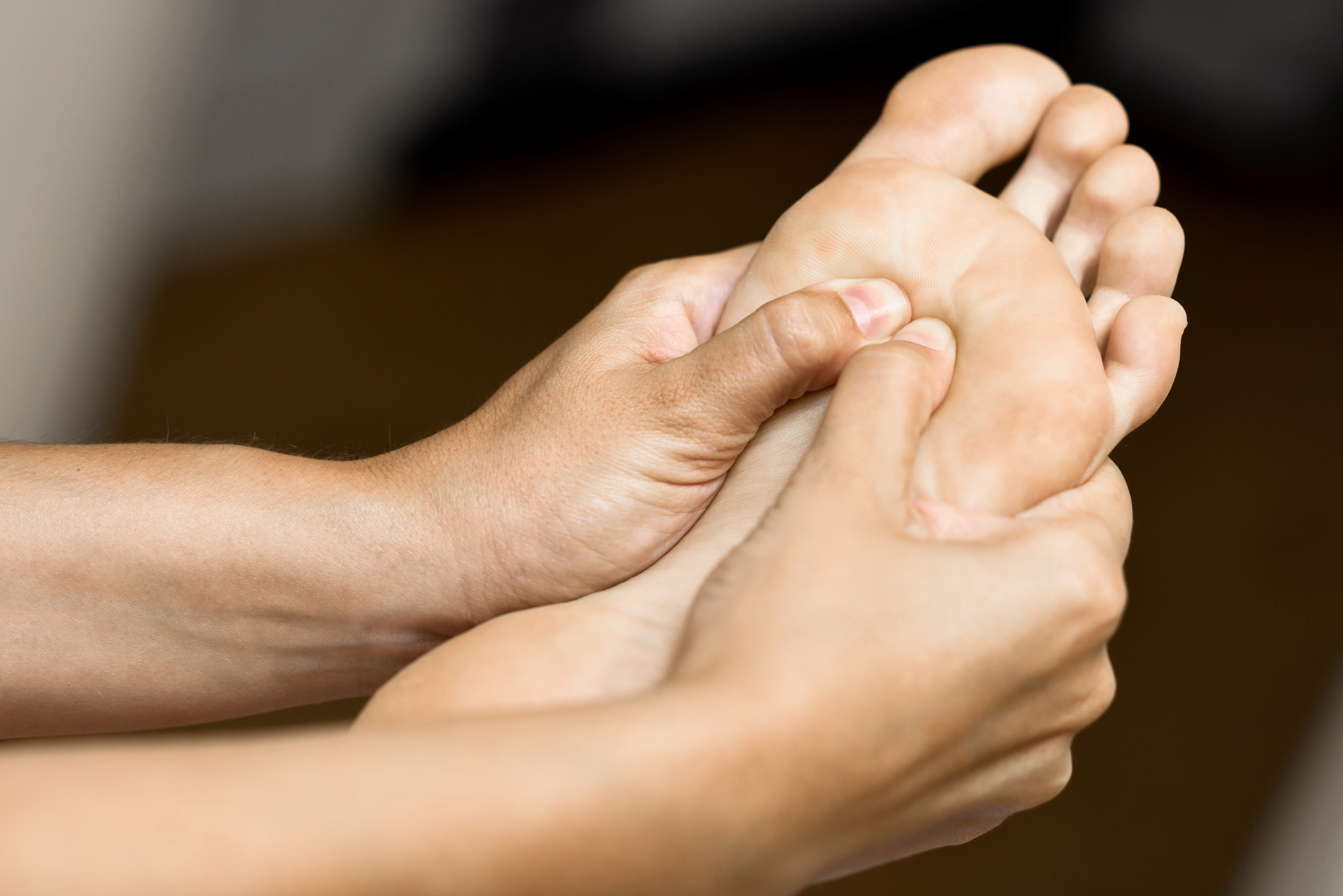
16) Massage Your Feet Before Bed: Before bed, apply some warm oil to your feet. You may use plain Sesame Oil, Brahmi Oil, or Bhringaraj Oil. This practice grounds the energy, soothes the nervous system, reduces stress, quiets the mind, and promotes sound sleep.
17) Take a Bath: A bath relaxes the nervous system, releases tension, and helps to quiet the mind.
18) Indulge in Self-Care: Purposeful and committed self-care can be a beautiful part of the healing process, and a meaningful opportunity to practice self-love. Choosing to prioritize things like adequate rest and other nourishing practices can help us stay centered as we navigate the turbulence of the world around us.
19) Bhringaraj tea helps in detoxifying the body and energizing your brain by consistently supplying oxygen to them and increasing blood circulation. The calming effects of the tea will leave your mind and body relaxed.
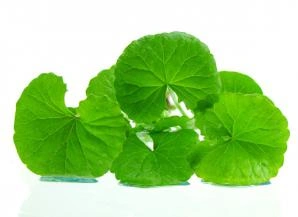
20) Brahmi: Brahmi is well-known for reducing stress. It is known to decrease the levels of cortisol, the stress hormone. This herb counteracts the effects of stress by regulating hormones involved with the stress response. It further enhances your concentration power, revitalizing the brain cells leaving a soothing effect on the nervous system.
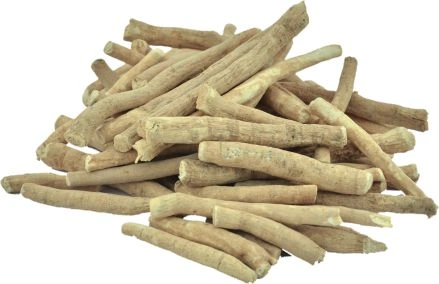
21) Ashwagandha, which is a combination of amino acids and vitamins, acts as an adaptogen that helps the body adapt itself to stressful situations and further boosts energy, stamina, and endurance power. It also promotes restorative sleep and balances the energies in the body and helps treat insomnia.
22) Stress buster tea: Fresh tea made from equal proportions of chamomile, tulsi, holy basil, and angelica is relaxing. Or try an ayurvedic tea made from equal amounts of the following herbs: brahmi, bhringaraj, jatamansi, and shanka pushpi. Steep 1/2 teaspoon of this mixture in 1 cup of hot water for 10 minutes. Drink 2 or 3 times a day.
23) Foster Supportive, Loving Relationships: Our systems often also find great refuge in a good laugh, a loving connection, a reassuring hug, a sympathetic ear, and other encouraging relational signs that we are, indeed, supported. If you have terrific friends, close family members, or beloved pets who can nurture you in this way, consider carving out some time for a meaningful connection with your dear ones.

24) Slow Down: One of the most important first steps in balancing stress are to slow down. However, when we are accustomed to living a fast-paced, busy life, slowing down can feel utterly impossible. It is not.
25) Certain fragrances have a calming effect. You can try basil, orange, clove, and lavender oil in your diffuser or take a hot bath by mixing a few drops in water and relax.
Stay happy stay healthy and stay safe folks!!!!
COCONUT QUINOA RICE
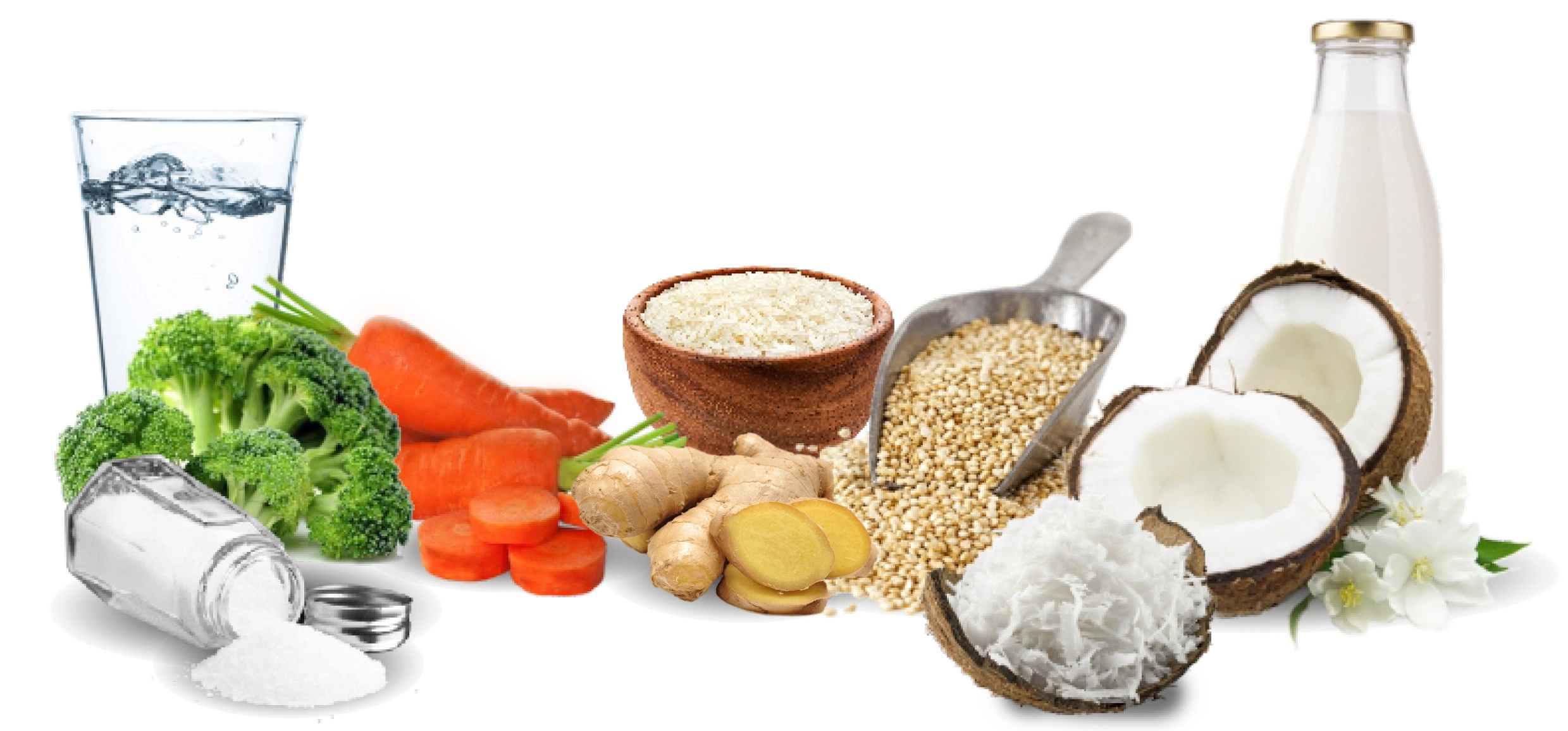
Ingredients
- 5 cups mixed vegetables chopped: carrots and broccoli
- ½ tablespoon ginger chopped
- ½ cup white basmati rice
- ½ cup quinoa
- 1 cup coconut milk
- 1 ½ cups water
- cup shredded unsweetened coconut
- Salt to taste
Directions:
1) Cook the rice, quinoa, ginger, and vegetables in the coconut milk/water mixture (stovetop or rice cooker) until cooked.
2) In a skillet, dry roast the shredded coconut over low heat until golden brown and fragrant. Add the coconut and salt and gently stir into the coconut/rice/quinoa mixture.
3) Serve warm with cilantro and mint chutney.
Enjoy!!!