

“Veganna dharayet vata vin mutra kshavathu truta kshudham nidra kasa shramashwas jrumbha ashru chardi retasam”
(Ashtang hriday Su. 4/1)
Never suppress the natural urges of flatus or belching, defecation, micturition, sneezing, thirst, hunger, sleep, cough, panting, yawning, crying, vomiting, and orgasm because according to Ayurveda suppression of natural urges may pave way to many diseases.
Aama is a term denoting a product that is an undigested form derived from food that gets absorbed into the system without proper assimilation. Such partly digested material cannot be used by the system, and acts to clog it, eliciting an immune reaction.

To some degree, the formation of small amounts of aama is a normal part of the digestive process, provided it is efficiently removed. But when it is not regularly cleared and eliminated, it becomes hugely problematic. In fact, aama is said to be the root cause of all disease, and amaya, a Sanskrit word for disease literally means “that which is born out of aama.” The connection between aama and the disease process makes perfect sense because the qualities of aama are in direct opposition to those of agni or digestive fire. And remember, strong agni is essential to the maintenance of proper health. In other words, when agni is compromised and when aama accumulates, our health suffers, and the two situations are mutually reinforcing.
Signs of Aama:

Depending on where aama is in the body, it can cause more specific signs and symptoms such as a thick coating on the tongue, all kinds of congestion, loss of strength, dull eyes, skin blemishes, fevers, excess weight, poor circulation, edema and swelling, stiffness or inhibited movement, soreness at the roots of the hair, or generalized aches and pains. In the digestive tract, aama tends to cause changes in taste perception, loss of appetite, indigestion, malabsorption, vitamin and mineral deficiencies, bloating, gas, constipation, diarrhea, sticky stools, or itching at the anus. Aama is also often responsible for foul smelling breath, mucus, urine, and stools. Mentally and emotionally, aama leads to a distinct lack of energy and enthusiasm, low self esteem, anxiety, worry, depression, fear of the unknown, a foggy mind, and unclear thinking.
Modern diseases that are a direct result of aama accumulation include:
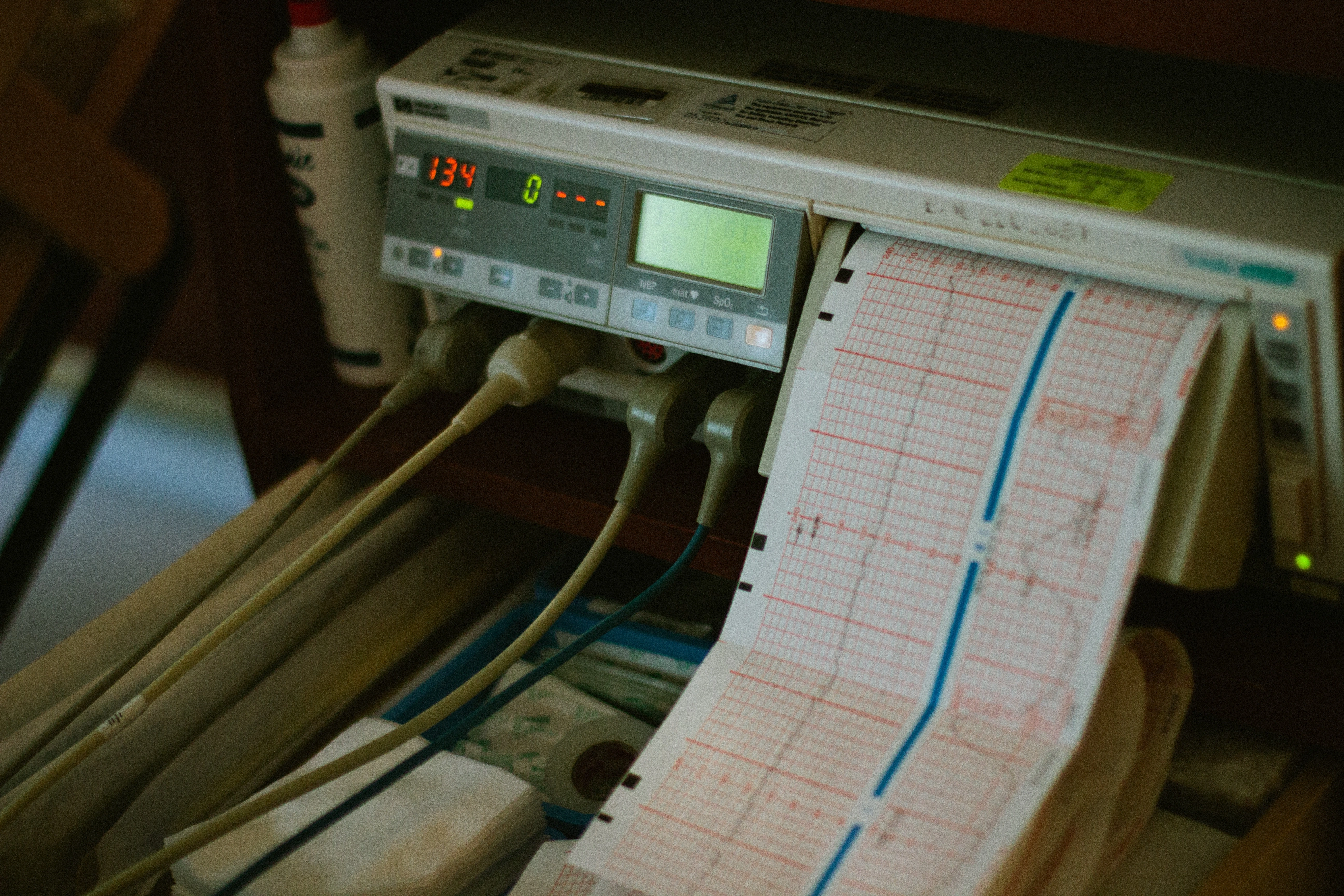
Atherosclerosis ,Candida albicans overgrowths, Elevated blood sugar, Blood urea, Late-onset diabetes, Gout, Some types of depression, Gallstones, Rheumatoid factor, Kidney stones, Elevated Immunoglobulin , Increased liver enzymes, Helico Pylori bacteria, Glaucoma, Leukocytosis, Fevers, Excess red blood cell count, Bacterial infections, Excess platelet count, Tumors.
How to get rid of Aama?
1) The first stage in eliminating ama is always Nidan Parivarjanan — reduce the causes of ama.
- Overeating.
- Eating before the previous meal is digested.
- Not making lunch the main meal; eating large meals at night.
- Ice drinks and cold-food meals.
- Food that isn't fresh, pure and organic. Old food, stale food, packaged foods.
- Eating without full attention on the meal; watching TV or reading. Eating too quickly.
- Eating while emotionally upset.
- Not taking the heaviest parts of the meal first when the agni (digestive fire) is strongest.
- Not engaging in light, enjoyable exercise daily whenever possible, or a few times a week.
2) The first and most fundamental treatment of Ama is Langhana (Fasting) until the digestive fire (Agni) becomes normal. It then reduces the obstructions in the channels and digests the Ama, reducing all signs and symptoms produced thereby.

3) The next step is to digest the aama, a process known as Aama Pachan, through the use of digestive substances. This can be as simple as sipping hot water, or using specific spices or herbal preparations under guidance of an ayurvedic practitioner because choice of drugs are highly individualistic.
4) The next step is to increase the digestive fire. This is known as Agni Dipan, or kindling the digestive fire through light diet. This may consist of a strict regimen beginning with liquid meals, progressing gradually to semi-liquid meals, then to thicker soups and gradually to more solid food over a period of time. One can always have a liquid diet once a week, particularly if overweight. The use of specific spices in the food, and herbal preparations taken at specific times of the meals and during the day, is helpful. Again, this is judged according to the agni of the individual and their nature.

5) Panchakarma is a specialized branch of Ayurveda which detoxifies and strengthens the natural process of the body. Vamana and Virechana are processes of Panchakarma that your doctor may recommend based on your health status. Abhyanga (whole body massage) stimulates the lymph glands which will help in removing toxins.
6) It is also very important to stay hydrated to eliminate toxins from your body. Drink freshly squeezed fruits juices without adding sugar. Packaged juices are not healthy. Drink healthy herbal juices whenever you feel the urge for a beverage. Herbal teas are also good.
7) Ayurveda also identifies numerous ways to rid the body of excess aama. Sweating through physical exercise, for example, is a highly effective way to release aama from the tissues and channels of the body. After breathing, sweating is the body’s second largest method of detoxification. Special dietary practices, such as drinking cleansing teas or fasting, are also effective.
If boosting your mood, feeling joyful, and healing the gut is a priority for you, eat a diet of easy-to-digest food in accordance with ayurvedic rules. Also, don’t forget to sip hot water when you are thirsty. This will keep your body hydrated and mind refreshed, while also stimulating and supporting the digestive system. Make sure to avoid iced drinks at all times, as they shock the body and increase digestive toxins.
Maintaining and supporting strong digestion through your food choices is vital. The proper functioning of the digestive system is essential to fueling the rest of the body.
The relationship between body and mind has always been emphasized in Ayurveda. For example, agni (digestive strength) not only breaks down the food you ingest at mealtimes, but it is also responsible for how you metabolize daily experiences and information. The strength of your agni is directly related to your ability to understand and comprehend knowledge and process emotions and sensory experiences. It is the governing force in your body and source of good health.
Eat Healthy and stay healthy!!!
CUCUMBER WATERMELON MINT SALAD
Rose is renowned in Ayurveda for its cooling effect on the body, mind and emotions. Organic Rose Petal Spread has a calming and soothing effect on physiology. For more cooling potency, add a few leaves of mint when blending.
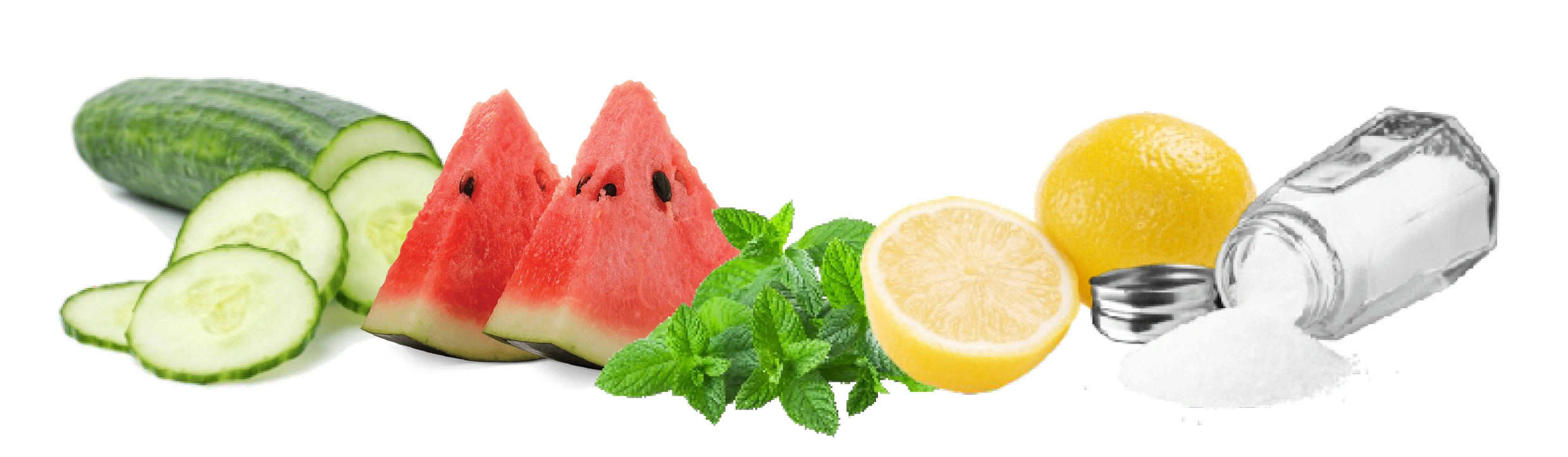
Ingredients
- 2 cups cubed cucumber.
- 2 cups cubed watermelon (de-seeded).
- Juice of 2 limes.
- 3-4 tablespoons chopped fresh mint.
- Salt to taste.
DIRECTIONS:
Combine above ingredients in a bowl. Serve slightly cool.
Note: If making salad ahead of time, do not add lime juice and salt until just before serving.
Enjoy!!!