
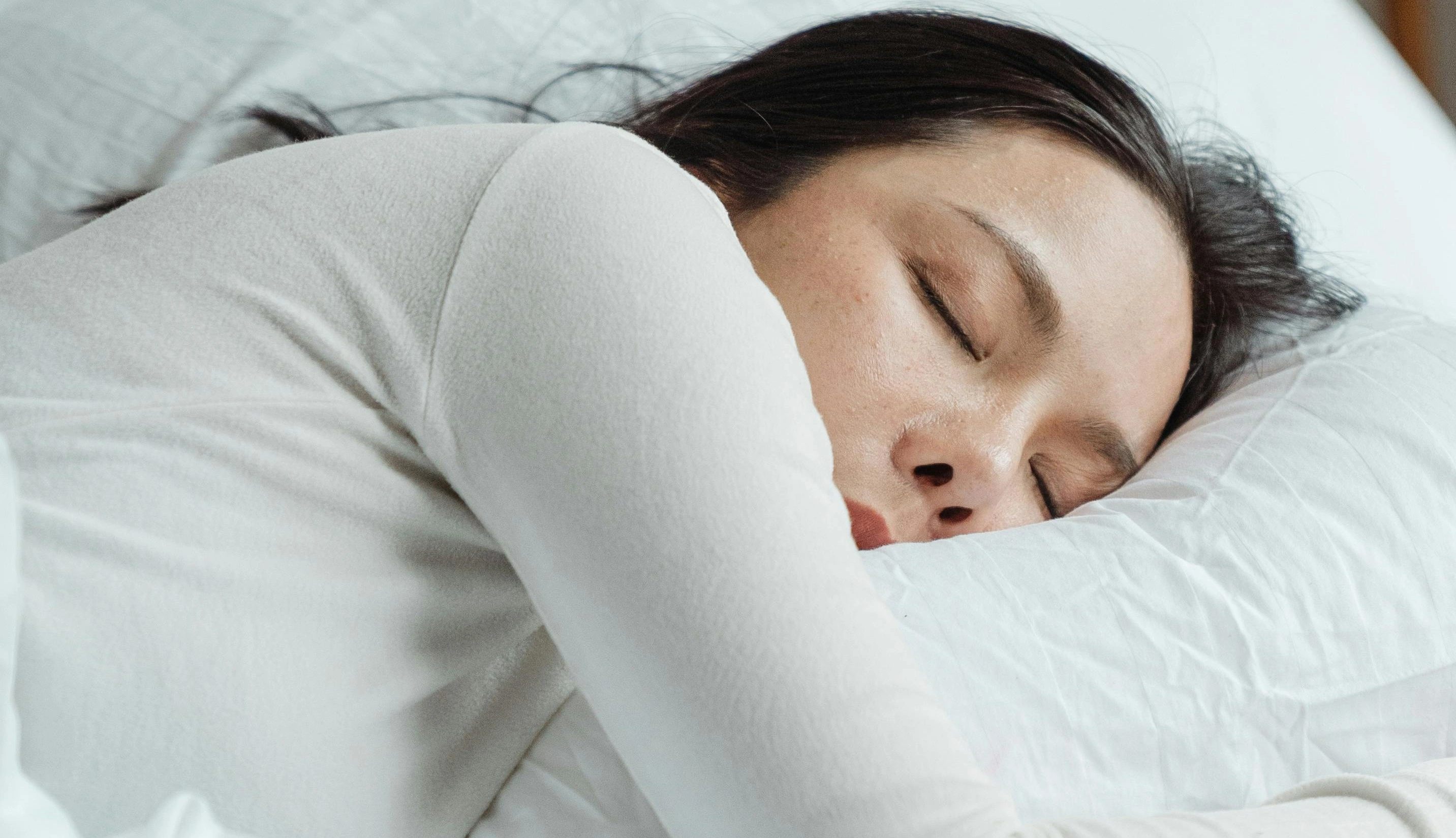
“Akala sayanam moham jwaram sthymithyam apeenasa,siroruk sopha hrllasa srotorodha agni mandatha”
(Ashtanga Hrdaya soothram 7:61)
Untimely sleep causes confusion, fever ,stiffness, running nose ,headache, cough, hyperacidity, obstruction of metabolic pathways and dyspepsia. This depicts the importance of timely sleep in our daily life which we often did not take care of.
SLEEP AND MEMORYIt is no secret that a deep sleep makes you feel better. Not only does sleep give your body time to rest and recharge, it may also be crucial to your brain's ability to learn and remember.
During sleep, while your body rests, your brain is busy processing information from the day and forming memories. If you are sleep deprived, you are at risk of developing a number of serious health problems, such as hypertension, obesity, and diabetes, and your ability to learn and retain new information may be impaired.
Researchers believe that sleep affects learning and memory in two ways:
- Lack of sleep impairs a person's ability to focus and learn efficiently.
- Sleep is necessary to consolidate a memory (make it stick) so that it can be recalled in the future.
What’s certain is that sleep is a biological necessity -- we need it to survive. Unfortunately, in this day and age, few of us are unable to get the sleep we need to function our best. Experts recommend adults get seven to nine hours of sleep each night. Although this may not be attainable every night, it should be the goal.
AYURVEDIC TIPS FOR A BETTER SLEEP
1) Avoid vigorous physical activity before bedtime. Light stretching before bed can communicate to the body that the nervous system is calming down. Inversions are meant to stimulate the nervous system and are not ideal to do when grounding down to bed.

2) We all love our smartphones, but too much electric energy can aggravate Vata — the dosha responsible for movement — and lead to restless sleep and insomnia. Try to avoid watching TV and using smartphones, laptops, electronic games, and other devices after 8:00 p.m. to give your eyes and nervous system a break. Instead, engage in grounding, soothing activities like taking a hot bath with lavender essential oil, or one of these dosha-balancing aromas (use the one that smells the best at any given time); reading; doing some gentle yoga stretches; enjoying downtime with family or friends; or lighting a candle and listening to relaxing music. Start to think of the last hour or so before bedtime as sacred — your time to unwind and enjoy.

3) For women undergoing menopausal symptoms, take measures to regulate body temperature. Use cotton sheets instead of flannel or silk as the cotton material allows for air exchange, dissipating heat. Remove any excess blankets that would normally reside on the bed. Open windows to regulate the temperature of the sleeping area (if possible). Air conditioning uses forced cold moving air, properties of vata, to cool a room. This forced and consistent air exposure could further make sleep difficult to attain.
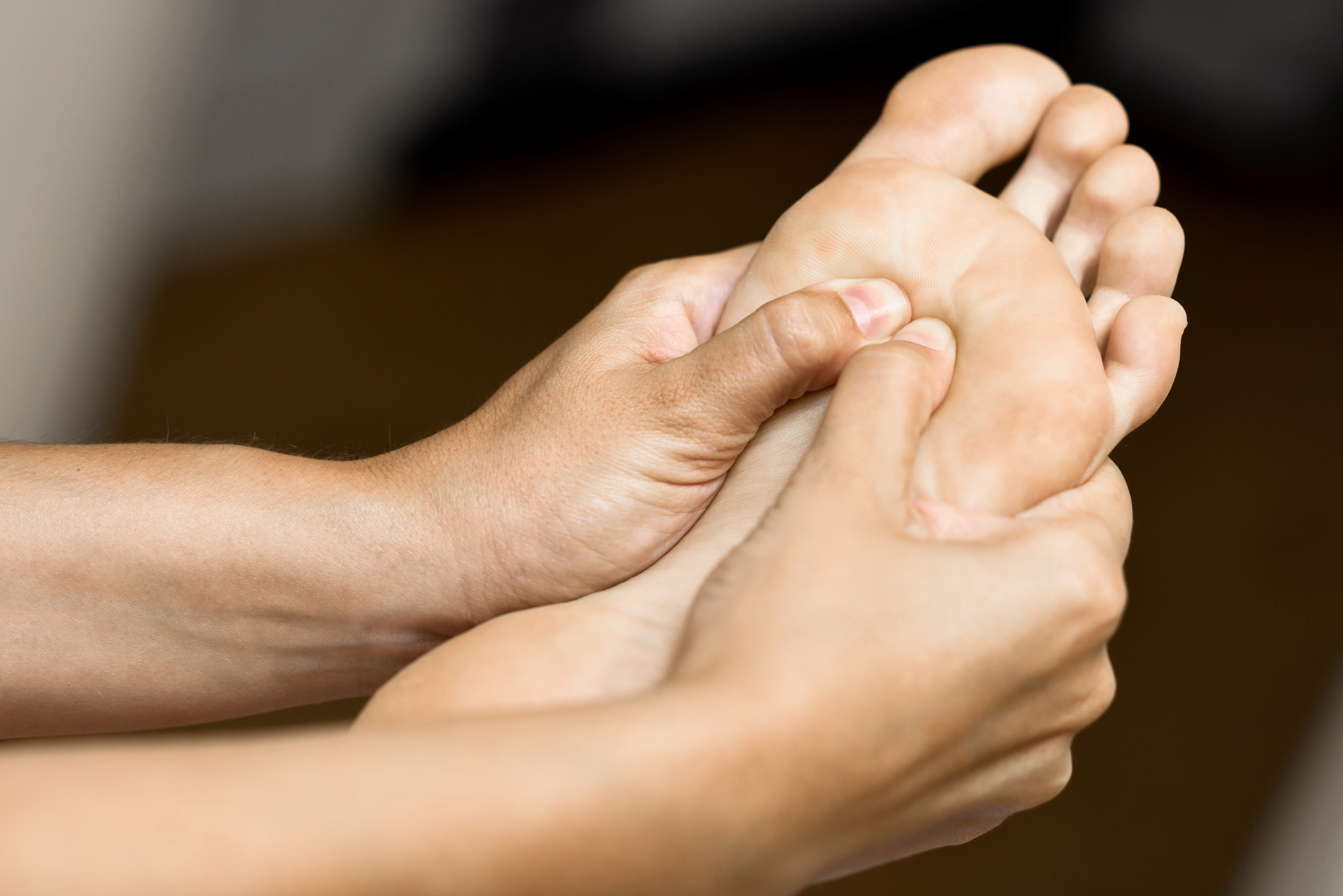
4) Massaging the feet is another perfect ritual to do right before bed. There are over 7,000 nerve endings on each foot, so giving both a massage helps loosen the entire body. Massaging the scalp, where the nerves start, has a comparable effect.
5) Avoid caffeine, tobacco, and alcohol. All of these chemicals have sleep-disturbing effects. Alcohol is a depressant so it may initially induce drowsiness, but it actually suppresses REM (or rapid eye movement) sleep while it’s in the system, and ultimately causes restless sleep after it’s been metabolized. As for smoking, tobacco, which is a stimulant, interferes with falling asleep, while nicotine withdrawal can disrupt slumber later in the night.

6) Avoid heavy food close to bedtime. Spicy, oily, or sugary foods late in the evening can thwart your efforts to snooze. Try to eat dinner before 7 p.m., so you’ve had a couple of hours to digest before bedtime.
7) AYURVEDIC HERBS : Ashwagandha is the premier herb for sleep troubles. It has been shown to have induced sleep. Ashwagandha is an adaptogen, regulating stress in any way needed. This allows one to sustain sound sleep throughout the night. Saffron, though also a culinary herb, can be taken in tea or supplement form to act directly on the brain tissue, activating pleasure and dopamine centers. Bacopa monnieri is a neuroprotective herb, nurturing and reducing the chatter of the mind. This herb eases vata out of the mind, reducing anxiety, anger, and worry.For women undergoing menopause or people who feel much too warm when they sleep or feels like sleep creates anger, sathavary (Asparagus racemosa) creates downward energy that removes pitta from the body. It is a gentle yet powerful choice to regulate hormones as well as the feeling of heat.
Jatamansi, called “Indian valerian,” has a similar effect to the herbs above. Nourishing tonic herbs like can be taken for 2 to 3 months to strengthen the nervous system, making it less susceptible to sleep disturbance.
Sleep deep #Dream big# Stay healthy and unveil your potential guys!!!
GOLDEN MILK
If you haven’t tried golden milk yet, you’re missing out! It’s a creamy beverage with dairy-free milk, ginger, turmeric, and coconut oil. Naturally sweetened, anti-inflammatory, incredibly healthy, and so delicious!!

Ingredients
- 1/2 cups light coconut milk
- 1 1/2 cups unsweetened plain almond milk
- 1 1/2 tsp ground turmeric
- 1/4 tsp ground ginger
- 1 whole cinnamon stick
- 1 Tbsp coconut oil
- 1 pinch ground black pepper
- Sweetener of choice (i.e. maple syrup, coconut sugar, or stevia to taste)
INSTRUCTIONS:
1. To a small saucepan, add coconut milk, almond milk, ground turmeric, ground ginger, cinnamon stick, coconut oil, black pepper, and sweetener of choice.
2. Whisk to combine and warm over medium heat. Heat until hot to the touch but not boiling – about 4 minutes – whisking frequently.
3. Turn off heat and taste to adjust flavor. Add more sweetener to taste or more turmeric or ginger for intense spice + flavor.
4. Serve immediately and leaving the cinnamon stick behind. Best when fresh, though leftovers can be stored covered in the refrigerator for 2-3 days.