“Himsa stheyam anyadha kaamam paisunya parusanruthe, sambhinnalapa vyapatha abhydyam drkviparyayam paapam karmethi dasatha kaaya vak maanasai thyajeth”
(Ashttanga Hridaya soothram 2:21-22)
This 10 things should not be committed by our body or mind :violence, theft, infidelity ,tale bearing, abusual, speaking untruth, uttering rubbish, tendency to harm others, longing for others belongings and atheism. Ayurveda not only aims at the wellbeing of your body alone but also healthy harmony of body and mind.Stay positive and stay healthy!!
PREVENTION IS BETTER THAN CUREAyurveda has always emphasized on prevention rather than cure as you all might have very well understood from our former Newsletter issues on varied and diverse concepts of healthy living. We pay more attention on avoiding the factors causing diseased state because Ayurveda teaches about a routine that can help us gain control over the 'Balance' of the doshas with any change in the cosmos.
The concepts of prevention of disease include primary and secondary prevention through Ayurveda:
PRIMARY PREVENTION :

Primary prevention can be better understood as the measures taken by an individual prior to the onset of any disease, which will remove the possibility of the disease occurring in the future. Significance of primary prevention lies in intervening at the stage before any disease manifests. Primary prevention is a holistic approach and the concept can even be used in the prevention of chronic diseases such as Coronary heart disease, Hypertension, Diabetes etc based on elimination or modification of the risk factors. The knowledge imparted by Ayurveda can be widely implemented for primary prevention due to its safety and cost-effectiveness. In a nutshell the following points mentioned can be considered for the concept of Primary
Prevention:
a.Dinacharya – Daily regimen to be followed by an individual.

b.Ritucharya - Seasonal regimen to be followed by an individual.
c. Samshodhana - Seasonal cleansing of the individual.
d. Adhaaraniya Vegas - Non- retention of the Natural urges.
e. Rasayanas – Intake of Rasayanas.
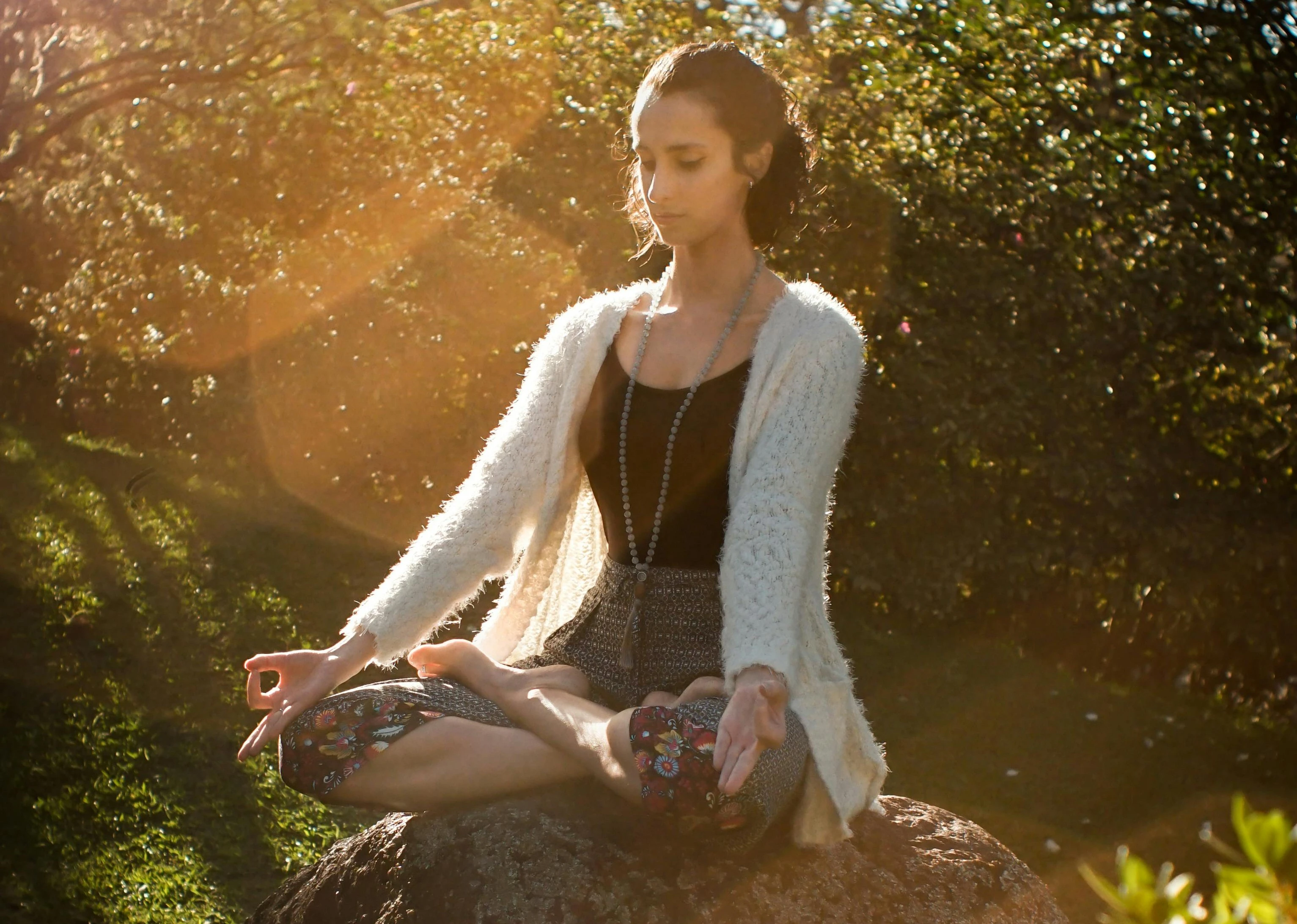
f. Sattvavijaya - Improving the mental strength through yoga and meditation
SECONDARY PREVENTION

It is quite common for a Doctor to face a lot of patients asking for methods which can help them prevent a second attack of stroke, cardiac arrest or even congenital anomalies of a forthcoming child. Here comes the role of secondary prevention, which may be better understood as the actions which halt the progress of a disease at its embryonic stage and prevent further complications. Early diagnosis and adequate treatment are the specific interventions in such cases. Secondary prevention is fundamentally the realm of Ayurveda practice. It is mostly an important tool in controlling a disease process and prevents any further attack. Hence secondary prevention may be identified mostly as a clinical method and a physician in a real sense is one who understands the dynamics of the pathogenic cycle of a disease and intervenes accordingly. Following points mentioned may be considered for the same.
Changes in lifestyle – Advising the patients to make the necessary changes in their lifestyle. It is the collective responsibility of both the Doctor as well as the individual to prevent the disease from occurring and relapsing. Intervention can be in the form of treatment, educating the patient, change in the diet (pathya) and avoidance of the causative factors. The different modes of intervention are health promotion, specific Protection ,early diagnosis and treatment, disability limitation and rehabilitation.
Giving a little thought to our daily routine and a few subtle changes in our lifestyle can result in optimum health and well-being. Life expectancy is falling in all ethnicities and countries and this scenario is likely to worsen; at this juncture there is a bad need to look into the opportunities which are available in Ayurveda. Ayurveda with an outstanding potential to reverse the worsening health status across the world would be the best option. Hallmark of Ayurvedic medicine is that its practices take into account an individual's total internal, social, and external environment when considering disease prevention, promotion and treatment. With this, it can be said, Ayurveda is the best option for achieving the goal of personal health along with public health.
TULSI TEA
Try this saviour Tulsi Tea recipe made with the goodness of basil, ginger, honey along with a tinge of lemon juice, which refreshes your senses and mood in an instant while simultaneously removing all the tension away!!!
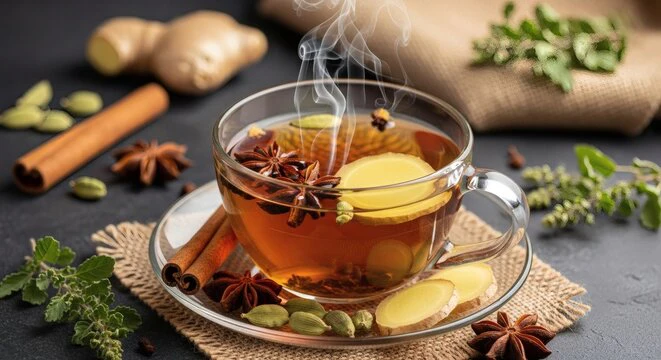
Ingredients
- 7 leaves basil
- 1 inch ginger
- 1 teaspoon honey
- 1 dash lemon juice
- 2 green cardamom
- 3 cup water
INSTRUCTIONS:
Step 1: For making this tulsi tea recipe, take a large utensil and put it up on high flame, add three cups of water in it.
Step 2: Now, add basil leaves, chopped ginger, cardamom powder and let them boil for 10 minutes.
Step 3: Turn off the gas knob, strain and serve with a dash of honey(caution: Don’t add when it is hot) and lemon juice.